
Air Travel Rules for the Inogen One Oxygen Concentrator Explained
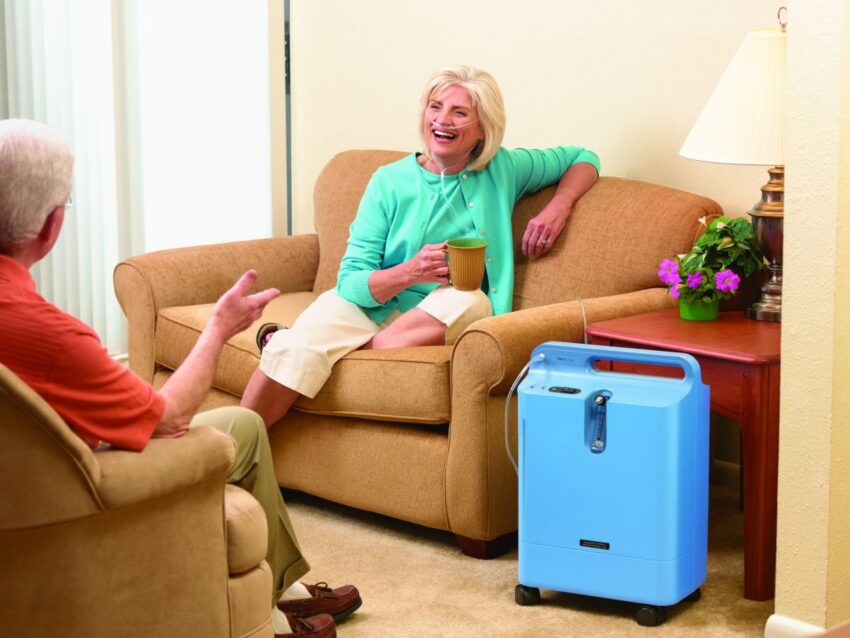
Flying with oxygen can feel complicated, but it is manageable with the right prep. This guide explains Air Travel Rules for the Inogen One Oxygen Concentrator in an Australian context, so travellers know what airlines usually expect and what to organise before they get to the airport.
Most people get caught out by paperwork, battery time, or last-minute airline approvals. Air Travel Rules for the Inogen One Oxygen Concentrator are mainly about safety, planning, and proving the device is suitable for flight.
What do airlines typically require for the Inogen One before a flight?
Airlines usually require medical clearance forms, adequate battery supply, and confirmation the device can be used onboard. For Air Travel Rules for the Inogen One Oxygen Concentrator, travellers should assume approval is needed even if the concentrator is widely accepted.
Many airlines also want details like model name, flow setting, and whether the person can respond to alarms. They may ask for a doctor’s letter or a specific medical information form completed within a set timeframe.
Is the Inogen One allowed on Australian domestic flights?
It is commonly permitted on Australian domestic flights, but each airline sets its own conditions. Air Travel Rules for the Inogen One Oxygen Concentrator still apply across routes like Sydney to Melbourne, Brisbane to Perth, or regional services.
Travellers should contact the airline directly before booking or immediately after booking. They should also ask whether the concentrator can be used during taxi, take-off, and landing, since policies can vary.
What paperwork do they need to fly with the Inogen One?
They typically need a fit-to-fly medical clearance, often signed by a GP or respiratory specialist. For Air Travel Rules for the Inogen One Oxygen Concentrator, the safest approach is to prepare both a doctor’s letter and the airline’s own form.
The paperwork usually needs the diagnosis, oxygen requirement (including flow rate), confirmation they are stable to fly, and confirmation they can operate the device. Travellers should carry printed copies plus digital backups.
How far in advance should they notify the airline?
They should notify the airline as early as possible, ideally at booking or at least a few business days ahead. Under Air Travel Rules for the Inogen One Oxygen Concentrator, late notice is one of the most common reasons for stress at check-in.
Some carriers may have minimum notice periods for medical clearance processing. Travellers should ask for written confirmation that the device is approved for inflight use and keep it with their travel documents.
What are the battery rules, and how many batteries should they bring?
They must bring enough battery power for the flight plus a buffer, because onboard power cannot be relied on. Air Travel Rules for the Inogen One Oxygen Concentrator typically align with common airline expectations: enough charge for total travel time, delays included.
A practical approach is to calculate gate-to-gate time, then add several hours for disruptions. Batteries should be carried in cabin baggage, protected against short-circuit, and packed so security can inspect them easily.
Can they use the Inogen One during take-off, landing, and taxiing?
Often yes, but it depends on the airline and seating setup. For Air Travel Rules for the Inogen One Oxygen Concentrator, travellers should confirm whether continuous use is allowed across all phases of flight.
They may need to stow the device under the seat in front during take-off and landing while still operating it. If they cannot meet stowage requirements due to seating layout, the airline may suggest an alternative seat.
Where should the concentrator be packed, and can it be checked in?
It should be packed in carry-on, not checked baggage, to avoid damage and to ensure access during travel. Air Travel Rules for the Inogen One Oxygen Concentrator strongly favour cabin carriage since the device is medically necessary.
They should use a protective bag, keep filters and cannulas accessible, and avoid packing heavy items on top. If the airline asks to weigh cabin bags, travellers should clarify the medical device allowance and exemption rules for assistive equipment.
How do Australian airport security checks usually work for oxygen concentrators?
Security generally allows medical devices through screening, but they may require additional swabbing or inspection. Under Air Travel Rules for the Inogen One Oxygen Concentrator, travellers should expect the device to be screened similarly to laptops.
They should arrive early, declare the device proactively, and ask staff how they prefer it to be screened. If they cannot disconnect from oxygen for long, they should tell security staff so screening can be managed safely.
Do they need to organise oxygen at the destination as well?
Yes, especially for longer trips or remote areas, because a concentrator may not suit every situation. For Air Travel Rules for the Inogen One Oxygen Concentrator, flight approval is only one part of a full travel plan.
They should consider accommodation power access, backup batteries, local servicing, and whether they need cylinders for emergencies. In Australia, travellers heading to regional areas should confirm support options ahead of time.
What about international flights departing Australia?
International airlines may apply stricter processes, even when departing from Australia. Air Travel Rules for the Inogen One Oxygen Concentrator can differ significantly across carriers, alliances, and codeshare flights.
They should check each operating carrier, not just the booking airline. They should also confirm transit airport requirements and whether the concentrator can be used through security and during layovers, particularly for long connections.
Can they sit anywhere on the plane when using the Inogen One?
They may face seating restrictions for safety and access. Under Air Travel Rules for the Inogen One Oxygen Concentrator, airlines often avoid exit rows and may require a window seat so the device does not obstruct aisles.
Some carriers may also place them near power availability, though power is not guaranteed. Travellers should request a seat early and confirm the under-seat space will fit the concentrator dimensions.
See Also : Air travel with respiratory equipment factsheet
What steps should they take if the airline says “no” or requests alternatives?
They should ask for the reason in writing and request escalation to the airline’s medical team. For Air Travel Rules for the Inogen One Oxygen Concentrator, denials are sometimes driven by missing paperwork, short notice, or battery planning rather than the device itself.
If needed, they can ask about renting an airline-approved alternative, changing flights to meet notice periods, or adjusting documentation. They should avoid turning up at the airport hoping it will be approved on the day.
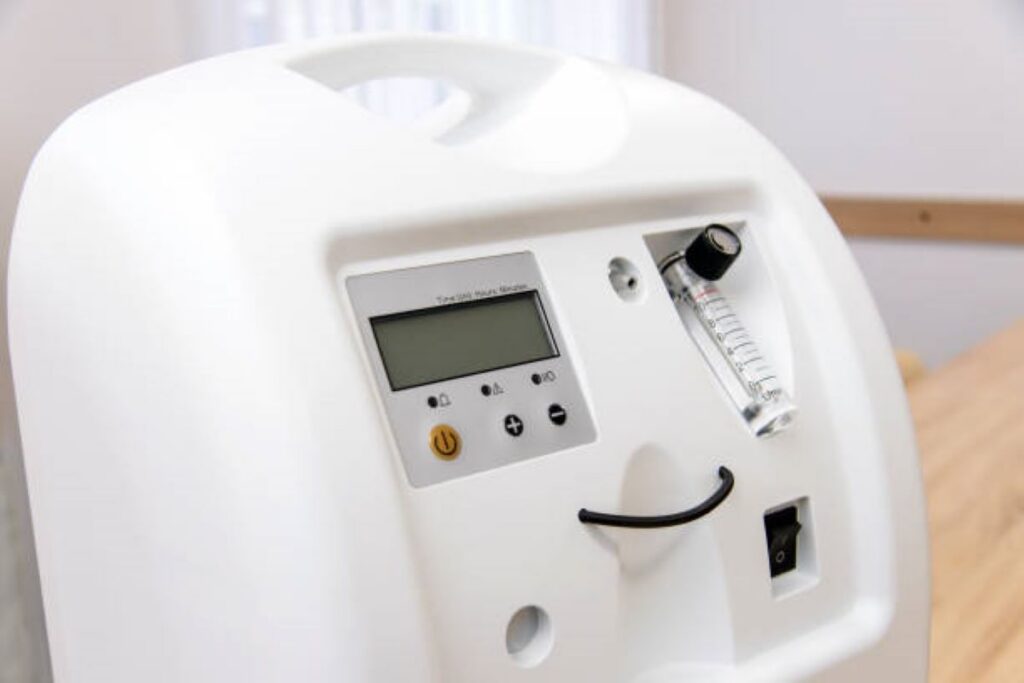
How should they plan for delays, diversions, and long airport waits?
They should plan oxygen needs for the entire journey, not just flight time. Air Travel Rules for the Inogen One Oxygen Concentrator are easiest to follow when travellers treat delays as normal rather than rare.
They should bring extra cannulas, a charger if applicable, spare filters, and multiple batteries. They should also keep the concentrator accessible during long terminal waits and avoid letting batteries run down before boarding.
What practical checklist helps them follow the rules without missing anything?
They should use a simple checklist and confirm details directly with their airline. Air Travel Rules for the Inogen One Oxygen Concentrator become straightforward when every item is verified before travel.
- Airline notified and approval received in writing
- Medical form and doctor’s letter printed and saved digitally
- Battery time meets flight plus delay buffer
- Batteries packed in carry-on with terminal protection
- Cannulas, filters, and spares packed and accessible
- Seating confirmed and device stowage checked
- Arrival plan organised for accommodation and backup options
What is the simplest way to avoid last-minute problems at the airport?
They should treat airline approval as a pre-trip task, not an airport task. Air Travel Rules for the Inogen One Oxygen Concentrator are mostly about preparation: paperwork, battery planning, and clear communication.
If they confirm requirements early, carry the right documents, and plan for delays, they can usually board and fly with far less stress. Air Travel Rules for the Inogen One Oxygen Concentrator then become a predictable process, not a gamble.
More to Read : Is It Safe to Order a CPAP Mask Online?
Leave a Reply