
Early Sleep Diagnosis: Why Timely Testing Matters for Better Sleep
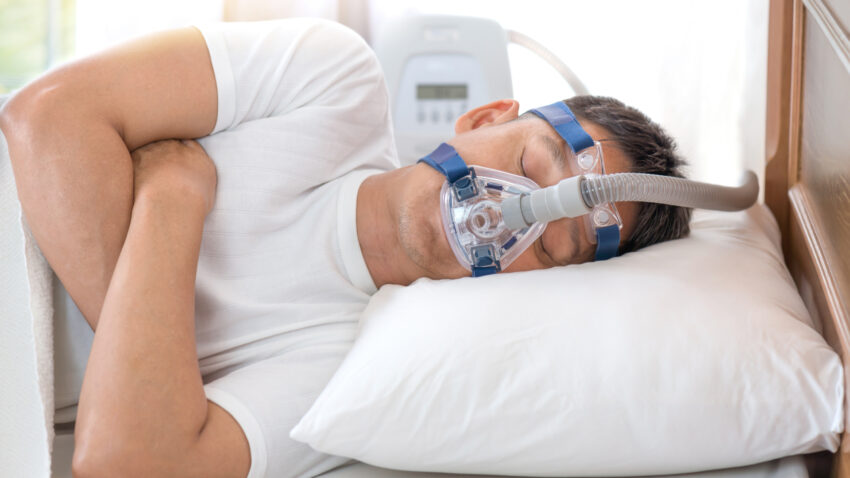
Sleep problems often start quietly, with mild tiredness or restless nights that are easy to dismiss. Over time, these issues can grow into persistent sleep disruption that affects health, mood, and daily performance. Early sleep diagnosis helps identify problems before they become severe, allowing timely treatment that leads to better sleep and improved overall wellbeing.
What Is Sleep Diagnosis and Why It Is Important
Sleep diagnosis is a medical process used to identify disorders that interfere with healthy sleep. Rather than treating symptoms alone, it focuses on understanding what is happening during sleep to uncover the underlying cause.
This process is important because untreated sleep disorders can worsen over time and increase the risk of serious health conditions. Early diagnosis ensures the right treatment is started sooner, improving sleep quality and reducing long-term health risks.
Common Sleep Disorders and Their Symptoms
Several sleep disorders commonly benefit from early detection. Insomnia often presents as difficulty falling asleep, frequent awakenings, or early morning waking. Sleep apnoea involves repeated pauses in breathing during sleep, often accompanied by loud snoring and daytime fatigue.
Other conditions include restless legs syndrome, which causes uncomfortable leg sensations at night, and circadian rhythm disorders that disrupt natural sleep timing. Narcolepsy, though less common, leads to excessive daytime sleepiness and sudden sleep episodes.
How Sleep Disorders Are Identified
Timely sleep diagnosis involves a combination of clinical assessment and appropriate testing to provide clear answers.
Clinical Evaluation
Diagnosis usually begins with a detailed consultation. Healthcare providers assess sleep habits, daily routines, medical history, medications, and daytime symptoms. Sleep diaries or questionnaires may be used to identify patterns and early warning signs.
Sleep Studies
In-lab sleep studies, known as polysomnography, monitor brain activity, breathing, heart rate, oxygen levels, and movement during sleep. These studies are especially useful for diagnosing sleep apnoea and other complex disorders.
Home Sleep Tests
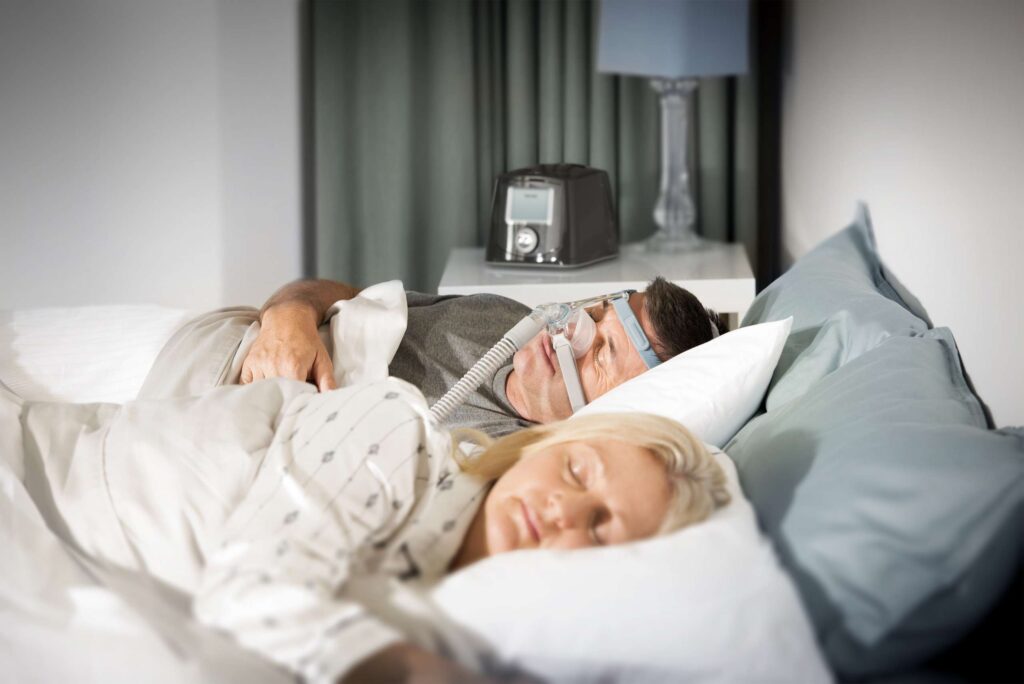
Home sleep testing may be recommended for early assessment of suspected sleep apnoea. These tests allow individuals to sleep at home while collecting essential data, making early diagnosis more accessible and convenient.
Treatment Options After Diagnosis
Once a sleep disorder is diagnosed, treatment can be started promptly. Behavioural therapies, such as cognitive behavioural therapy for insomnia, focus on improving sleep habits and addressing patterns that disrupt rest.
Medical treatments may include CPAP therapy for sleep apnoea, oral appliances, or medication when appropriate. Lifestyle changes, including consistent sleep schedules and stress management, often support early treatment success.
Benefits of Early and Accurate Sleep Diagnosis
Early diagnosis leads to faster symptom relief, improved energy levels, and better concentration. It also reduces the risk of long-term complications such as heart disease, mood disorders, and reduced cognitive performance.
Accurate diagnosis prevents unnecessary treatments and allows individuals to take control of their sleep health. Addressing sleep problems early often results in simpler treatment plans and more sustainable improvements.
Conclusion
Early sleep diagnosis plays a critical role in achieving better sleep and protecting long-term health. Timely testing helps identify sleep disorders before they escalate, allowing effective treatment and lasting improvements. Paying attention to early symptoms and seeking professional assessment can make a meaningful difference in sleep quality and overall wellbeing.
Frequently Asked Questions (FAQs)
Why is early sleep diagnosis more effective than waiting?
Early diagnosis prevents sleep disorders from becoming more severe and harder to treat. Addressing issues early often leads to simpler treatment, quicker symptom relief, and reduced risk of long-term health complications linked to chronic sleep disruption.
Can early testing detect sleep problems before major symptoms appear?
Yes, early testing can identify subtle sleep disturbances before they significantly affect daily life. Sleep studies and clinical evaluations can reveal patterns that are not obvious, helping prevent progression into more serious sleep disorders.
Does early sleep diagnosis reduce the need for medication?
In many cases, yes. Identifying sleep problems early allows behavioural and lifestyle treatments to be introduced before medication becomes necessary. This can lead to more natural, sustainable improvements in sleep quality.
How soon should I seek testing after noticing sleep issues?
If sleep problems persist for more than a few weeks or worsen over time, it is advisable to seek evaluation. Early consultation helps determine whether testing is needed and prevents minor issues from becoming long-term sleep disorders.
Can early diagnosis improve daytime performance?
Absolutely. Early diagnosis often leads to better sleep quality, which improves focus, energy, mood, and productivity during the day. Many people notice noticeable improvements in daily functioning once sleep issues are addressed early.
Leave a Reply